

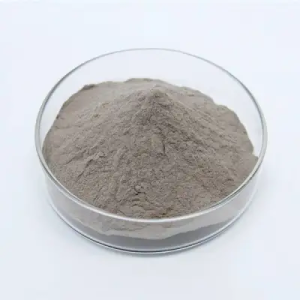
What is Zirconia Fused Alumina ?
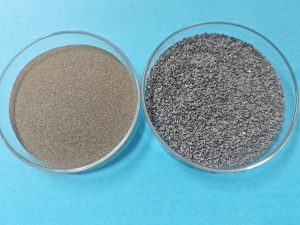
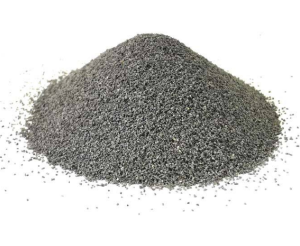
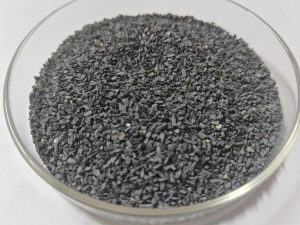
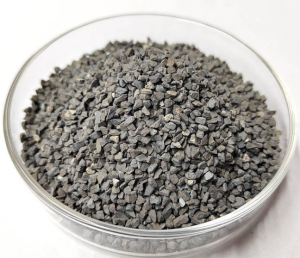
Zirconia Fused Alumina (ZFA), also commonly called zirconia alumina or zirconium aluminum oxide, is a high-performance fused abrasive material manufactured by co-melting high-purity bauxite and zirconia sand together in an electric arc furnace at extreme temperatures above 2000°C. After molten solidification, the ingot goes through crushing, screening, magnetic separation and strict grading processes to form standardized abrasive grains. It is recognized as one of the toughest fused abrasives on the market, sitting between brown fused alumina and silicon carbide in application scenarios yet delivering far superior fatigue resistance.
The core advantage of zirconia fused alumina comes from its unique eutectic crystalline microstructure. Alumina and zirconia form tightly interlocked crystal phases. When mechanical stress is applied during grinding, micro-fractures occur inside the grain instead of complete brittle breakage. This famous self-sharpening characteristic continuously generates fresh sharp cutting edges throughout service. Unlike conventional brown or white fused alumina that tends to dull quickly, ZFA maintains strong cutting power and high stock removal rate under heavy grinding loads. It can withstand repeated mechanical impact and thermal cycling without premature failure.
ZFA exhibits balanced hardness and exceptional toughness, together with good thermal stability. It performs outstandingly on tough metals including stainless steel, alloy steel, carbon steel and cast iron. Coarse grit grades such as F24, F30 and F36 are used for heavy stock removal, weld seam cleaning and rough grinding. Medium grits like F46, F60 and F80 are widely adopted for flap discs, resin grinding wheels and cutting wheels for intermediate metal finishing. It is the preferred raw material for abrasive tools used in metal fabrication, shipbuilding, automotive workshops and foundries.
Stringent production controls cover chemical composition, particle shape, magnetic substance content and grain size distribution. Every batch is tested and supplied with a certificate of analysis to guarantee consistent quality for abrasive manufacturers. Compared with ordinary fused alumina, zirconia fused alumina can greatly extend tool lifespan and improve grinding efficiency. Custom particle gradations and packaging options are available upon request to match customers’ specific abrasive formulation and processing requirements.
Zirconia Fused Alumina from Haixu Abrasives Co.,Ltd.:
TYPICAL CHEMICAL ANALISIS [%]
| Items | Al2O3 | ZrO2 | TiO2 | Fe2O3 | SiO2 |
| ZA25 | 68-72 | 24-30 | ≤1.5 | ≤0.5 | ≤1.0 |
| ZA40 | 55-57 | 35-44 | ≤1.5 | ≤0.5 | ≤1.0 |
PHYSICAL PROPERTIES
| Crystal Form | Monoclinic,tetragonal system |
| Reaction with acid and alkali | no |
| Reaction with carbon | Forming carbide since 1650C |
| Color | Grey |
| True Density | 4.20g/cm3 |
| Bulk Density | 2.18g/cm3 |
| Moh’s hardness | 9.0 |
| Knoop hardness | 1450-2000kg/cm2 |
| Melting point | 1900C |
| Maximum service temperature | 1700C |
| Specific heat capacity(cal/g.C) | 0.2205(50-500C) |
| Heat conductivity | 0.2718 cal/cm2.sec.C |
| Linear expansivity(X10-6) | 6.82(100-700C) |
PARTICLE SIZE DISTRIBUTION
| F4 | +8000um | 0 | +5600um | ≤20% | +4750um | ≥40% | +4750+4000um | ≥70% | -3350um | ≤3% |
| F5 | +6700um | 0 | +4750um | ≤20% | +4000um | ≥40% | +4000+3350um | ≥70% | -2800um | ≤3% |
| F6 | +5600um | 0 | +4000um | ≤20% | +3350um | ≥40% | +3350+2800um | ≥70% | -2360um | ≤3% |
| F7 | +4750um | 0 | +3350um | ≤20% | +2800um | ≥40% | +2800+2360um | ≥70% | -2000um | ≤3% |
| F8 | +4000um | 0 | +2800um | ≤20% | +2360um | ≥45% | +2360+2000um | ≥70% | -1700um | ≤3% |
| F10 | +3350um | 0 | +2360um | ≤20% | +2000um | ≥45% | +2000+1700um | ≥70% | -1400um | ≤3% |
| F12 | +2800um | 0 | +2000um | ≤20% | +1700um | ≥45% | +1700+1400um | ≥70% | -1180um | ≤3% |
| F14 | +2360um | 0 | +1700um | ≤20% | +1400um | ≥45% | +1400+1180um | ≥70% | -1000um | ≤3% |
| F16 | +2000um | 0 | +1400um | ≤20% | +1180um | ≥45% | +1180+1000um | ≥70% | -850um | ≤3% |
| F20 | +1700um | 0 | +1180um | ≤20% | +1000um | ≥45% | +1000+850um | ≥70% | -710um | ≤3% |
| F22 | +1400um | 0 | +1000um | ≤20% | +850um | ≥45% | +850+710um | ≥70% | -600um | ≤3% |
| F24 | +1180um | 0 | +850um | ≤25% | +710um | ≥45% | +710+600um | ≥65% | -500um | ≤3% |
| F30 | +1000um | 0 | +710um | ≤25% | +600um | ≥45% | +600+500um | ≥65% | -425um | ≤3% |
| F36 | +850um | 0 | +600um | ≤25% | +500um | ≥45% | +500+425um | ≥65% | -355um | ≤3% |
| F46 | +600um | 0 | +425um | ≤30% | +355um | ≥40% | 355+300um | ≥65% | -250um | ≤3% |
| F54 | +500um | 0 | +355um | ≤30% | +300um | ≥40% | +300+250um | ≥65% | -212um | ≤3% |
| F60 | +425um | 0 | +300um | ≤30% | +250um | ≥40% | 250+212um | ≥65% | -180um | ≤3% |
| F70 | +355um | 0 | +250um | ≤25% | +212um | ≥40% | +212+180um | ≥65% | -150um | ≤3% |
| F80 | +300um | 0 | +212um | ≤25% | +180um | ≥40% | +180+150um | ≥65% | -125um | ≤3% |
| F90 | +250um | 0 | +180um | ≤20% | +150um | ≥40% | +150+125um | ≥65% | -106um | ≤3% |
| F100 | +212um | 0 | +150um | ≤20% | +125um | ≥40% | +125+106um | ≥65% | -75um | ≤3% |
| F120 | +180um | 0 | +125um | ≤20% | ≥40% | ≥40% | +106+90um | ≥65% | -63um | ≤3% |
| F150 | +150um | 0 | +106um | ≤15% | +75um | ≥40% | +75+63um | ≥65% | -45um | ≤3% |
| F180 | +125um | 0 | +90um | ≤15% | +75um | * | +75+63um | ≥40% | -53um | * |
| F220 | +106um | 0 | +75um | ≤15% | +63um | * | +63+53um | ≥40% | -45um | * |
MAIN APPLICATIONS:
1.Making zircon fused alumina brick and building materials
2.Used for making bonded abrasives products,and process of grinding,sandblasting,surface treatment of metal products and other materials.
3.With good melt erosion resistance,Zirconia fused alumina has good grinding effect on steel,iron casting,heat resistant steel and other alloy materials.
4.Zirconia fused alumina can be made for heavy duty Zirconia fused alumina grinding wheel,snagging,cutting disc,Fiber disc,grinding rails,high speed abrasive belts etc
5.Used for making coated abrasives products,
6.Used for making lapping paste,polishing wax,emery cloth,sandpaper etc
- ZA is primarily used for steel conditioning wheels, snagging wheels, large diameter cut-offs and other grinding applications that require high speed and pressure. It’s also is recommended for refractories that require a high resistance to environmental corrosion and a low coefficient of thermal expansion. Applications include slide gates, glass tank refractories, and other applications requiring resistance to molten slags.