


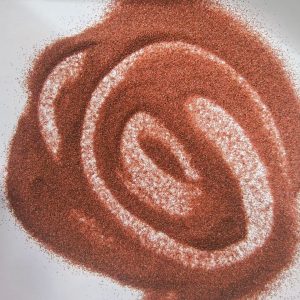
What is fused alumina used for?
Fused alumina, a synthetic material produced by melting and recrystallizing high-purity alumina (Al₂O₃) in an electric arc furnace, is a workhorse industrial abrasive and refractory material. Its extreme hardness (9.0-9.2 on the Mohs scale), high melting point, and chemical inertness make it indispensable across numerous industries.
Here’s a comprehensive breakdown of its primary uses:
1. Abrasive Applications (The Largest Market)
Fused alumina is crushed and sized into grains for various abrasive products.
Bonded Abrasives: Used as the cutting grains in grinding wheels, cutting-off wheels, honing stones, and sharpening stones for metalworking, tool sharpening, and precision grinding.
Coated Abrasives: The grains are glued onto backings (paper, cloth, fiber) to make sandpaper, abrasive belts, discs, and sheets used for sanding wood, metal, and composites.
Blasting & Surface Preparation: Used as a sandblasting media to clean metal surfaces (removing rust, paint, scale), etch concrete, create non-slip surfaces, and prepare surfaces for coating.
Lapping and Polishing: Fine micropowders are suspended in compounds to lap (create ultra-flat surfaces) and polish metals, glass, and semiconductor wafers.
2. Refractory Applications
Its high heat resistance (over 1850°C) makes it ideal for lining high-temperature industrial furnaces.
Monolithics & Castables: Used as the aggregate in refractory concretes and castables to line kilns, incinerators, and boilers.
Refractory Bricks & Shapes: Bonded with other materials to form bricks and custom shapes for steel ladles, cement rotary kilns, and glass furnaces.
Investment Casting: High-purity white fused alumina is used to make ceramic shells and molds for precision metal casting (e.g., aerospace turbine blades).
3. Anti-Slip & Traction Aggregates
Its hardness and angular shape provide excellent traction.
Mixed into epoxy or paint coatings for industrial floors, stair treads, ramps, and pool decks.
Applied to road markings and airfield runways for wet-weather skid resistance.
4. Reinforcement & Filler
Used as a wear-resistant filler in epoxy resins and polymer composites.
Added to ceramic matrices to improve fracture toughness.
In brake pads and friction linings, it acts as a friction-enhancing, non-asbestos abrasive filler.
5. Specialized & High-Tech Applications
Electronics Substrates: High-purity alumina is used as an insulating, thermally conductive substrate for electronic circuits.
Wear-Resistant Coatings: Applied via thermal spraying (e.g., plasma spray) to protect components like pump shafts and plungers from extreme abrasion and corrosion.
Water Filtration Media: Used as a support bed or media in filtration systems due to its chemical inertness.
Precision Optics: Ultra-fine, high-purity powders are used for polishing optical lenses and mirrors.
How the Type Influences Use:
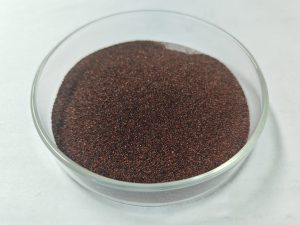
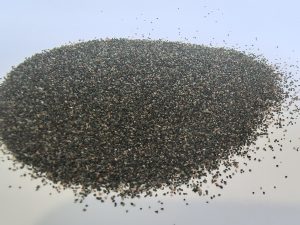
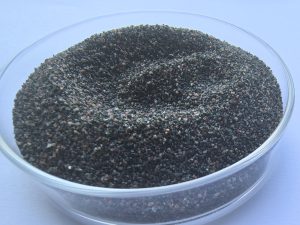
Brown Fused Alumina (BFA): Predominantly used in heavy-duty grinding, blasting, and general-purpose refractories where toughness and cost are key.
White Fused Alumina (WFA): Preferred for precision grinding, fine-finish abrasives, high-purity refractories (e.g., investment casting), and lapping/polishing where sharp cutting and purity are critical.
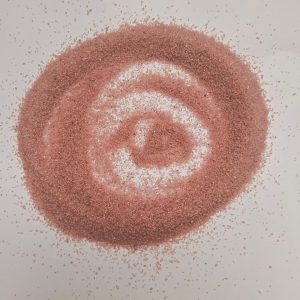
Other Variants (Pink, Black, etc.): Have niche uses based on specific toughness or additive properties.
In essence, fused alumina is the backbone of modern manufacturing, enabling processes that shape, cut, finish, and protect materials—from massive steel beams to the microchips in your phone.