


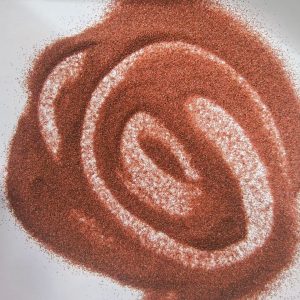
What is the difference between brown fused alumina and white fused alumina?
Brown Fused Alumina (BFA) and White Fused Alumina (WFA) are two of the most important abrasive materials, but they have distinct differences in composition, properties, and applications.
Here’s a detailed breakdown of the key differences:
1. Raw Material & Manufacturing Process
Brown Fused Alumina (BFA):
Raw Material: Made from calcined bauxite (an aluminum ore containing impurities like silica, iron oxide, and titanium dioxide) and carbon materials (usually coke) in an electric arc furnace at temperatures over 2000°C.
Process: The reduction and fusion process removes some impurities, but a significant amount (typically 3-6%) remains, giving it its characteristic brown color.
White Fused Alumina (WFA):
Raw Material: Made from high-purity alumina powder (such as industrial alumina, Al₂O₃ > 98.5%), not raw bauxite.
Process: The alumina powder is melted in an electric arc furnace and then cooled. It undergoes a purification process where impurities are further removed, resulting in a very pure product.

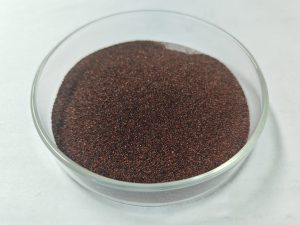
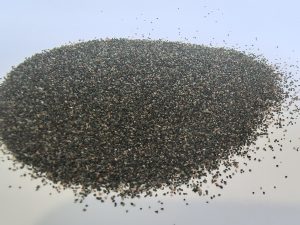
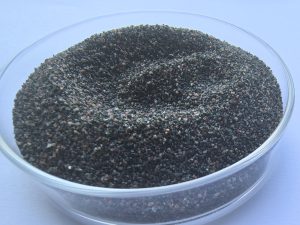
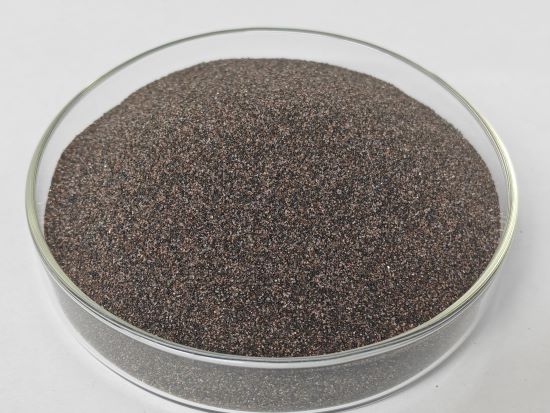
brown fused alumina
2. Chemical Composition & Purity
BFA: Lower purity, typically 94-97% Al₂O₃. Contains impurities like TiO₂, SiO₂, Fe₂O₃.
WFA: Very high purity, typically >99% Al₂O₃. Minimal impurities.
3. Physical Properties
Hardness (Mohs):
BFA: ~9.0. Very hard, but slightly less than WFA due to impurities.
WFA: ~9.2. One of the hardest synthetic abrasives, second only to silicon carbide and diamond.
Toughness & Friability:
BFA: High toughness, low friability. The crystal structure is tougher and more blocky. It resists fracturing under heavy pressure, making it durable.
WFA: More friable, less tough. It fractures more easily into sharp, new cutting edges. This “self-sharpening” property is desirable in many grinding applications.
Crystal Structure: BFA has larger, tougher crystals; WFA has finer, more fragile crystals.
4. Color
BFA: Ranges from brown to dark brown/black due to titanium and iron impurities.
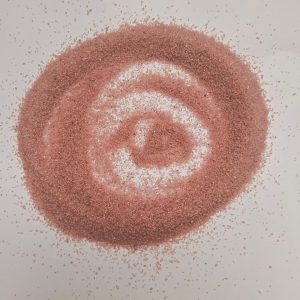
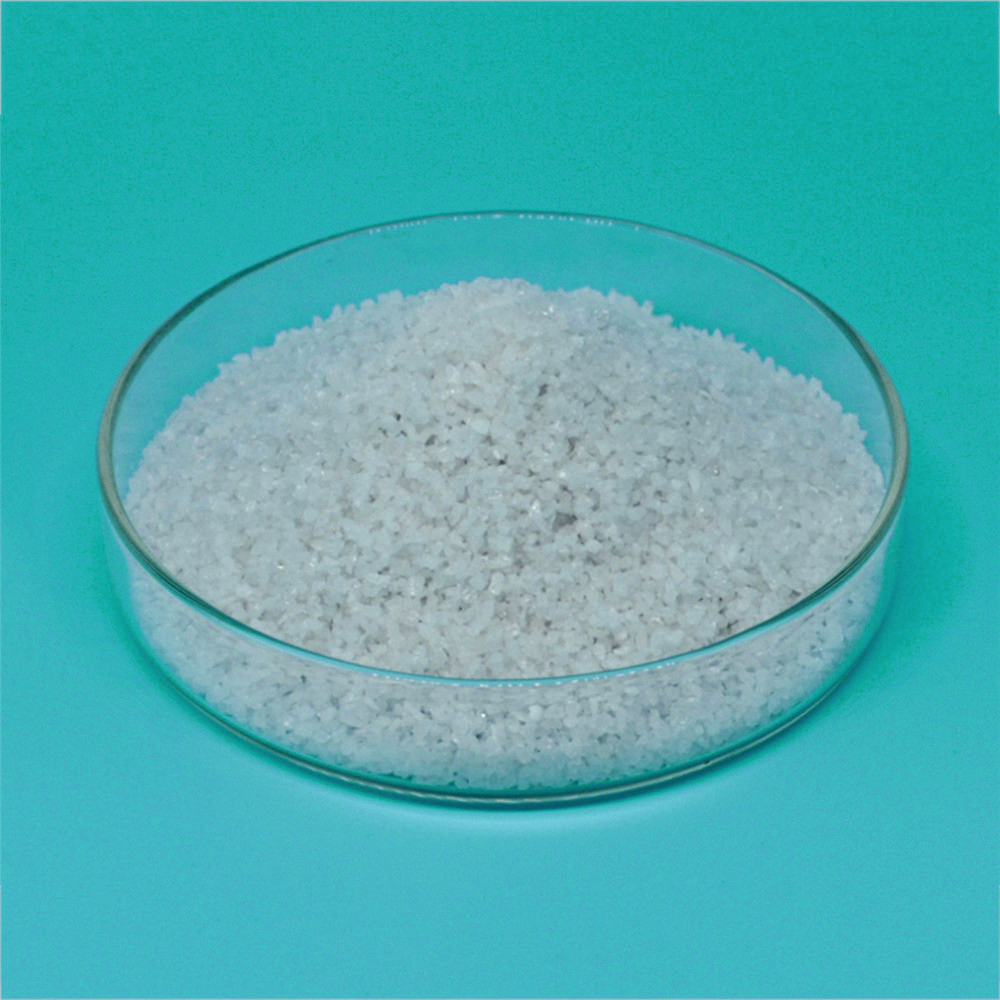
WFA: Pure white or translucent, reflecting its high purity.

WFA white fused alumina
5. Key Applications
Brown Fused Alumina (BFA): Used where durability and cost-effectiveness are critical.
Heavy-duty grinding: Snagging wheels, cutting-off wheels for steel and ferrous metals.
Blasting and abrasives: Sandblasting media, anti-slip aggregates.
Refractories: Lining for furnaces and kilns (its toughness withstands thermal shock).
Bonded abrasives: Grinding wheels for general purpose use.
White Fused Alumina (WFA): Used where precision, sharp cutting, and contamination control are critical.
Precision grinding: Tool and cutter grinding, carbide tool grinding.
Abrasive products: High-quality sandpaper, vitrified wheels, fine-grit polishing.
Aerospace & alloy grinding: Used on high-tensile strength steels and alloys where heat sensitivity is a concern (it generates less heat than BFA).
Refractories (high-grade): For specialized, high-purity linings.
Lapping and polishing compounds.
6. Cost
BFA: Lower cost due to the use of cheaper raw material (bauxite) and a simpler production process.
WFA: Higher cost due to the expensive high-purity alumina feedstock and higher energy consumption during melting.